
Beating Target Panic
Target panic is real, common, and beatable. Here is what it is, why it happens, and the drills that fix it.
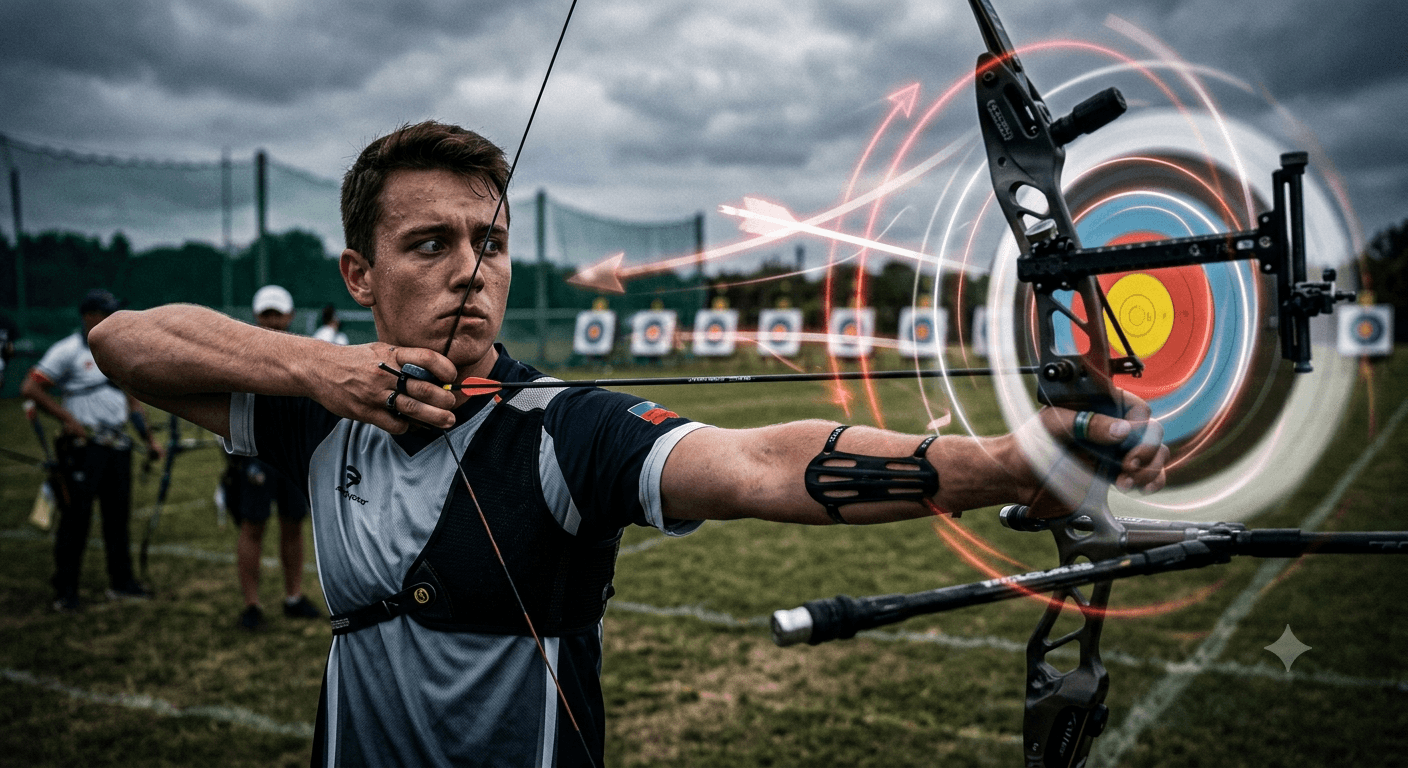
Almost every serious archer meets target panic eventually, and almost every one of them feels ashamed of it, as if it were a personal weakness. It is not. Target panic is a learned anticipation problem — your brain has linked the sight picture to the urge to release, and now it fires the shot for you before you are ready. The good news is that anything learned can be unlearned.
What it actually is
Target panic shows up in a few recognisable forms. You may freeze and be unable to move the sight onto the centre, holding off to the side because the moment the dot touches gold your hand snaps. You may punch — slapping the trigger or release the instant you see the middle. Or you may experience a creeping inability to hold at full draw at all. They look different but share one root: anticipation. Your nervous system is trying to control the uncontrollable moment of the shot, and the harder you try, the worse it grips.
- Flinching or punching the release as the sight crosses the centre
- Freezing low or off to the side, unable to drift into the middle
- An urge to let go the instant the aim looks right
- Rising anxiety and a racing heart at full draw
The blank-bale drill
The foundation of recovery is the blank bale: shooting at a target with no face, from close range, with your eyes closed or unfocused. With nothing to aim at, there is nothing to anticipate. You stand a couple of metres away, draw, settle into a clean anchor, and let the shot break while paying attention only to your back and your form. Done daily for a couple of weeks, blank-bale work rebuilds the feeling of a shot that happens to you rather than one you force.
The drawing-down drill
The drawing-down drill directly attacks the freeze. You draw, settle, aim at the centre — and then, deliberately, let the bow back down without shooting. Draw, aim, let down. Again. Again. You are teaching your brain that reaching the centre does not have to mean releasing. After enough repetitions the panic loosens, because the trigger between sight picture and release has been broken on purpose. Only when holding in the middle feels calm do you allow some shots to break.
The surprise release
The long-term cure is to make the shot a surprise. Instead of choosing the moment of release, you set up a process — steady aim, growing back tension — and let the bow fire when it is ready, not when you command it. With a clicker or a back-tension release, you keep pulling through and the shot breaks on its own. Because you did not pull the trigger, there is nothing to anticipate. This is the same surprise release that elite archers chase for a lifetime, and it is the structural answer to panic.
Inside NockIQ · Drills Library
The NockIQ Drills Library packages blank-bale, draw-down and back-tension routines into a plan you can repeat daily, so recovery becomes structured instead of guesswork.
Open Drills LibraryBe patient with yourself. Target panic took months to wire in and will take weeks to wire out. Avoid scoring while you rebuild — chasing points reawakens the anticipation you are trying to kill. Stay close, stay calm, and trust the process. Archers far better than you have walked this exact road and come out shooting cleaner than before.
More from the Journal
All articles
Put this into practice.
Every drill, score and replay in one app — built for archers who want to improve on purpose.