
The Perfect Anchor Point
Your anchor is the one fixed point in a moving shot. Get it consistent and everything downstream gets easier.
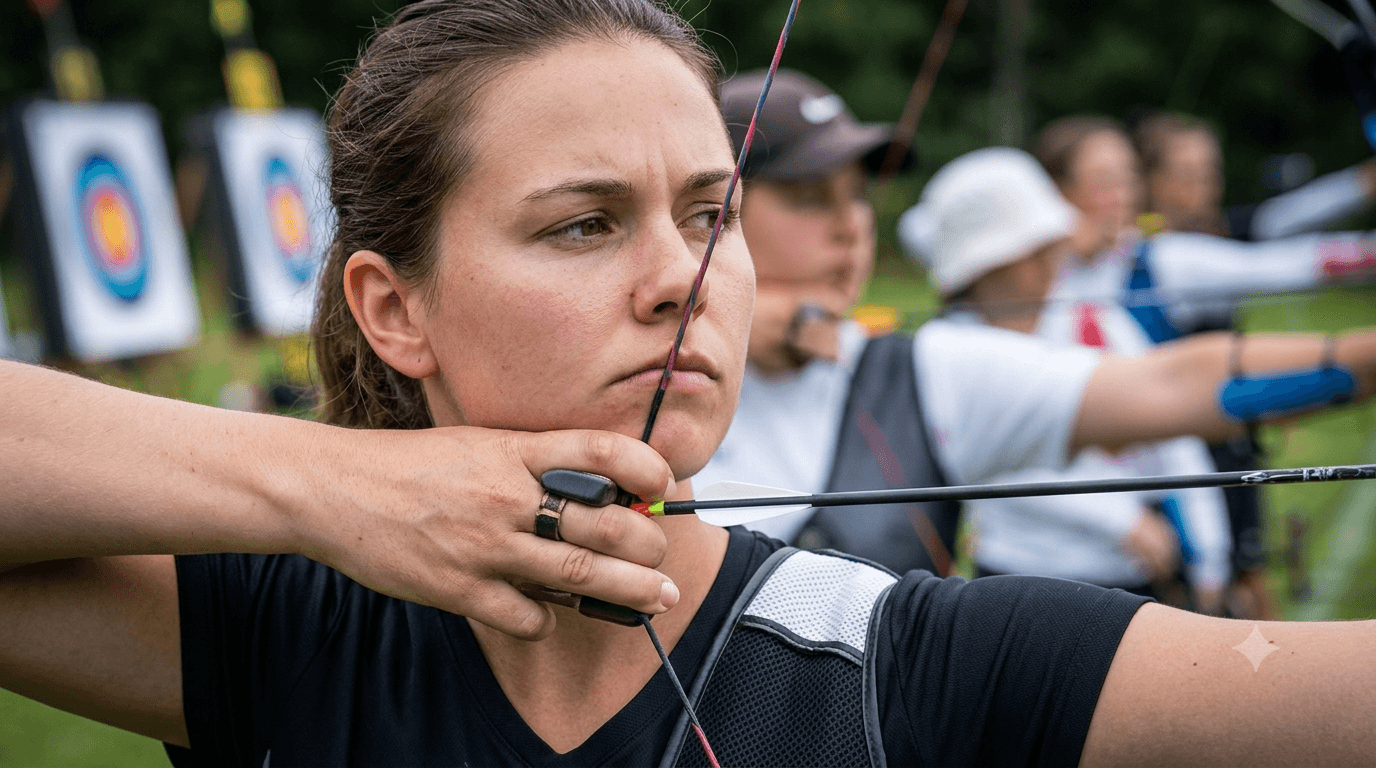
If you only fix one thing in your shot this season, make it your anchor. The anchor point is where your drawing hand settles against your face at full draw, and it is the single reference that tells your body the bow is drawn the same distance, the same way, every single time. A rifle has a fixed rear sight. Your anchor is yours. When it drifts, your arrows drift with it, and no amount of aiming will save a shot that started from the wrong place.
The reason anchor matters so much is simple geometry. Arrow speed depends on how far you draw the string. Move your anchor forward by even a few millimetres and you shorten the draw, lose power, and drop the arrow low. Move it back and you do the opposite. Your sight is calibrated for one draw length, so a wandering anchor quietly poisons your grouping no matter how clean the rest of the shot looks.
The three contact points
A strong anchor is not one touch but three. Coaches talk about three contact points because a single point can shift without you noticing, while three points lock the hand in space like a tripod.
- Hand to jaw: the side of your index finger or the web of your hand presses firmly under the jawbone, not floating near it.
- String to face: the string touches the same spot on the centre of your nose and lips every time. This is your vertical reference.
- A consistent feel: many recurve archers add a kisser button or feel the string at the corner of the mouth, so the anchor is confirmed by touch, not just sight.
For compound archers using a release aid, the principle is the same but the landmarks change. A back-of-jaw anchor combined with the string or kisser touching the tip of the nose gives two firm references. The goal in every discipline is identical: more than one point of contact, each one repeatable in the dark.
Building consistency
Consistency is built, not wished for. Start close and slow. Stand a few metres from a blank target — no scoring, no aiming — and draw to your anchor with your eyes closed. Feel the three contacts settle. Open your eyes and check. Did the string land on the centre of your nose? Is your hand pinned under the jaw? Repeat this twenty times before you worry about where the arrow lands.
Once the feel is reliable, add the bow back and shoot at distance, but keep auditing. A useful habit is to pause for half a second once you reach anchor, confirm the contacts, and only then begin the release. That half-second is where good archers separate from inconsistent ones. It feels slow at first and becomes invisible with practice.
The most common anchor mistakes are all variations of being lazy: anchoring softly so the hand floats, letting the string drift off the nose under pressure, and creeping the draw forward as you tire late in a round. All three are easier to catch when you can actually see them.
Inside NockIQ · AI Video Analyzer
NockIQ's anchor overlay marks your contact point frame by frame so you can compare your best shots against your worst and see exactly when the anchor drifts.
Open AI Video AnalyzerTreat your anchor as sacred. Warm up by checking it, end every session by checking it, and when a round goes sideways, go back to it before you change anything else. A reliable anchor will not win the tournament for you, but a wandering one will lose it.
More from the Journal
All articles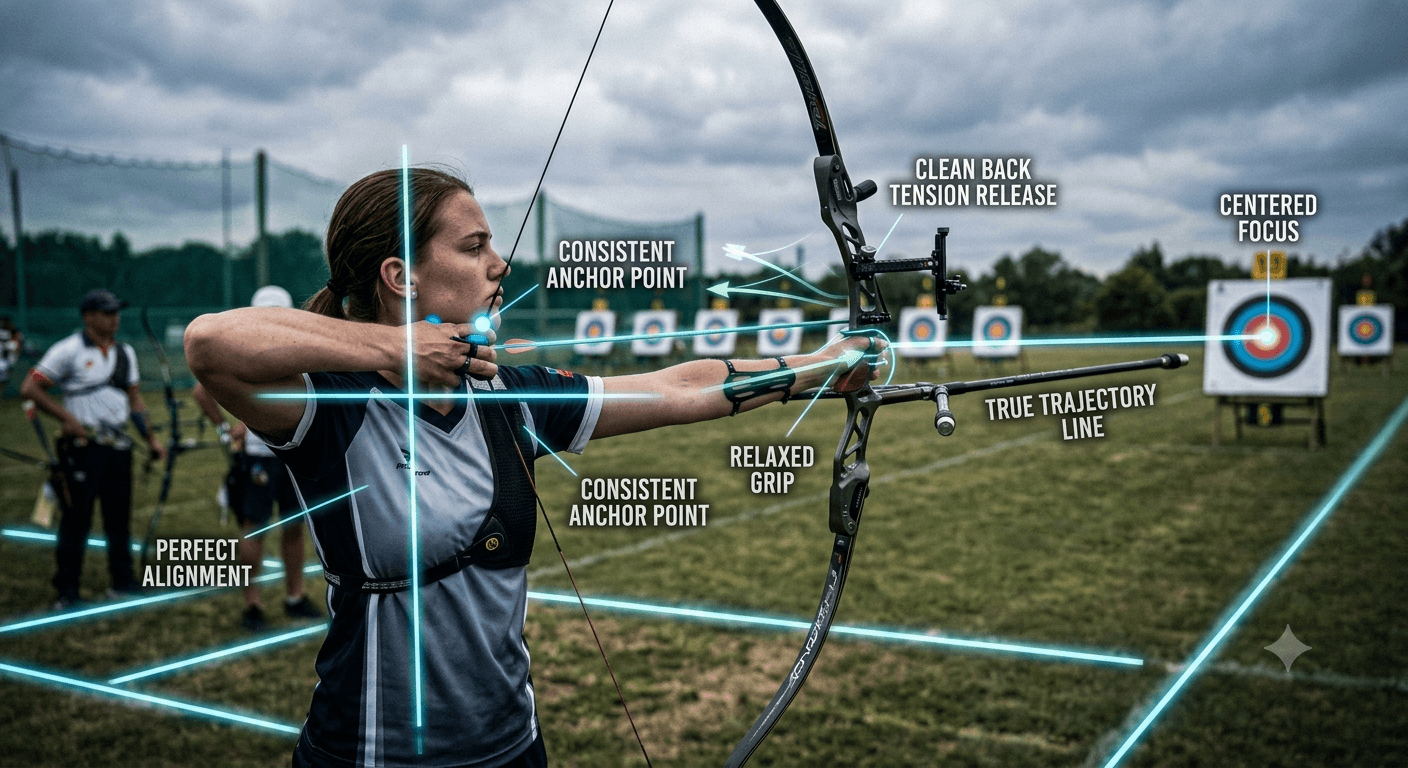

Put this into practice.
Every drill, score and replay in one app — built for archers who want to improve on purpose.